
Freight, customs, urgent shipments and complex destinations for defence technology companies moving into production or expanding internationally. Dual-use, military or civilian goods, including dangerous goods.
Talk to an expert Photo NASA/JPL-Caltech
 Moving into industrial production or international expansion: first exports, higher production volumes, new markets.
Unmanned systems and their payloads, most often dual-use. The same standards, whatever the application.
Instruments, sensors, optronics, cryptography: products that cannot be classified by their customs code alone.
Military, dual-use or civilian: we handle all three to the same standards.
Your shipment is assessed before transport is booked: applicable regime, specifications, destination and end user.
Authorisations progress in parallel. We advise you on what is missing, who issues it and in what order.
Dedicated, sealed and tracked transport. In-house customs clearance, including dangerous goods.
Examples of shipment scenarios, deliberately anonymised. For each: the obstacles and what we do.
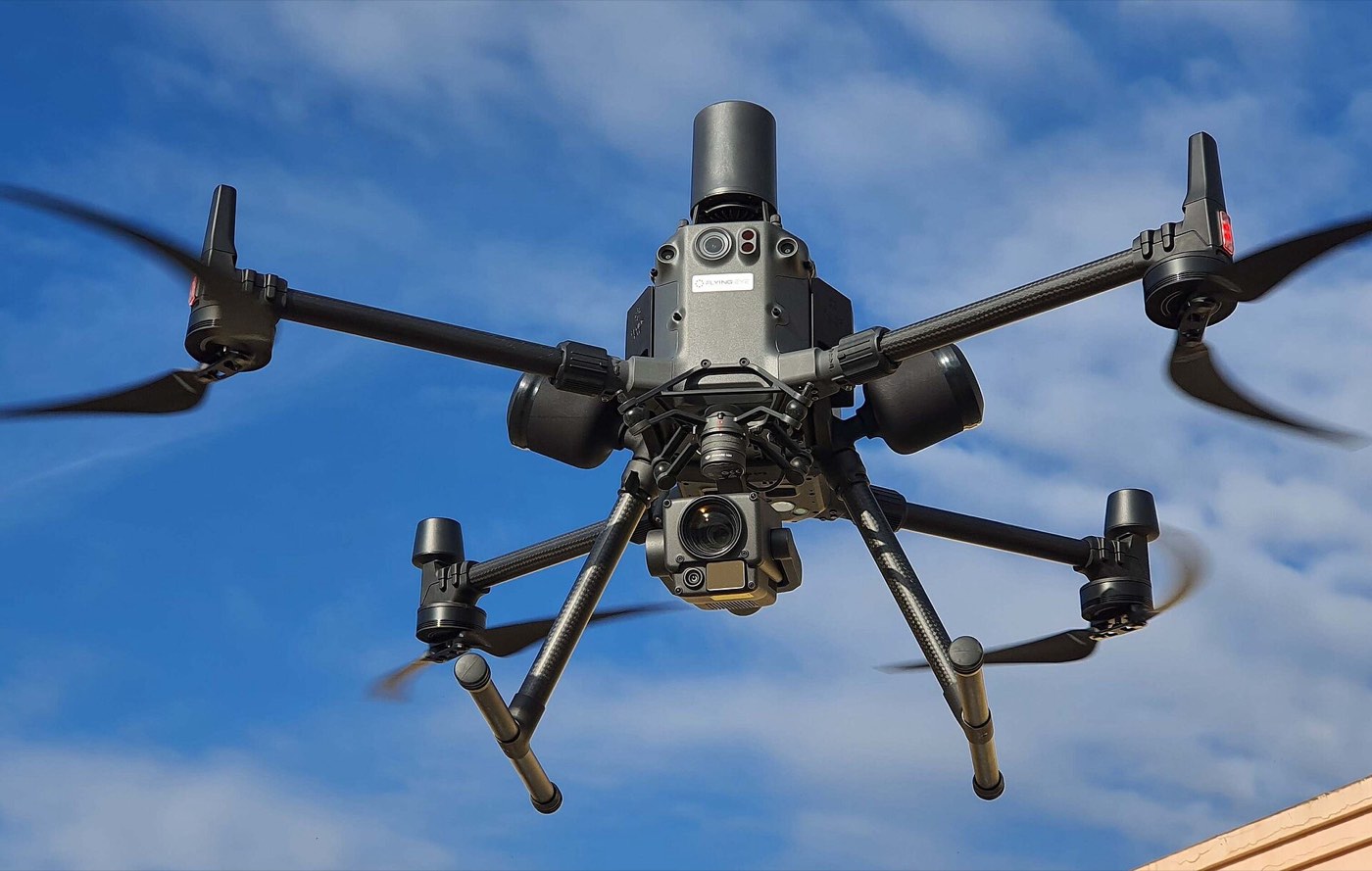

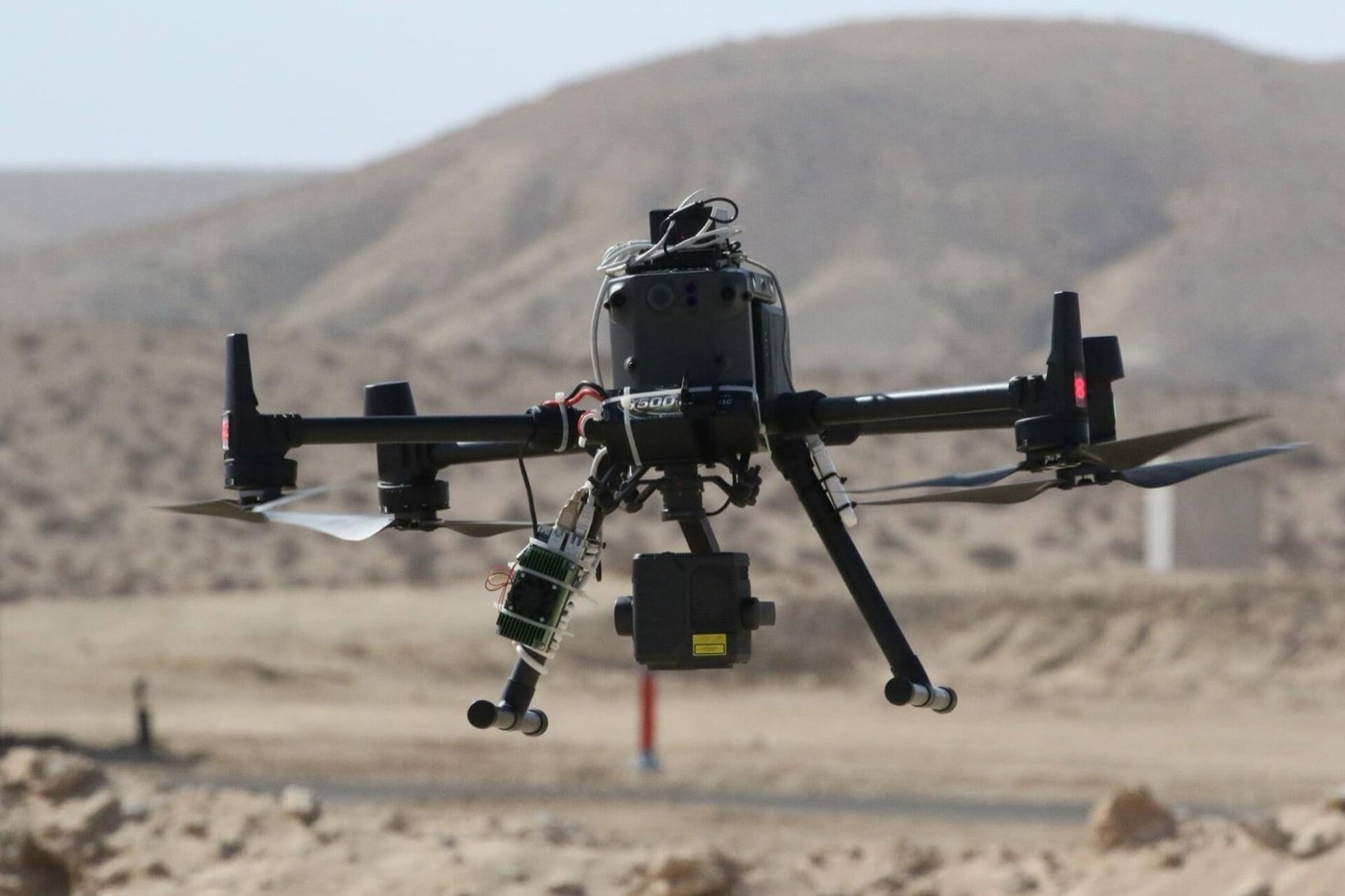
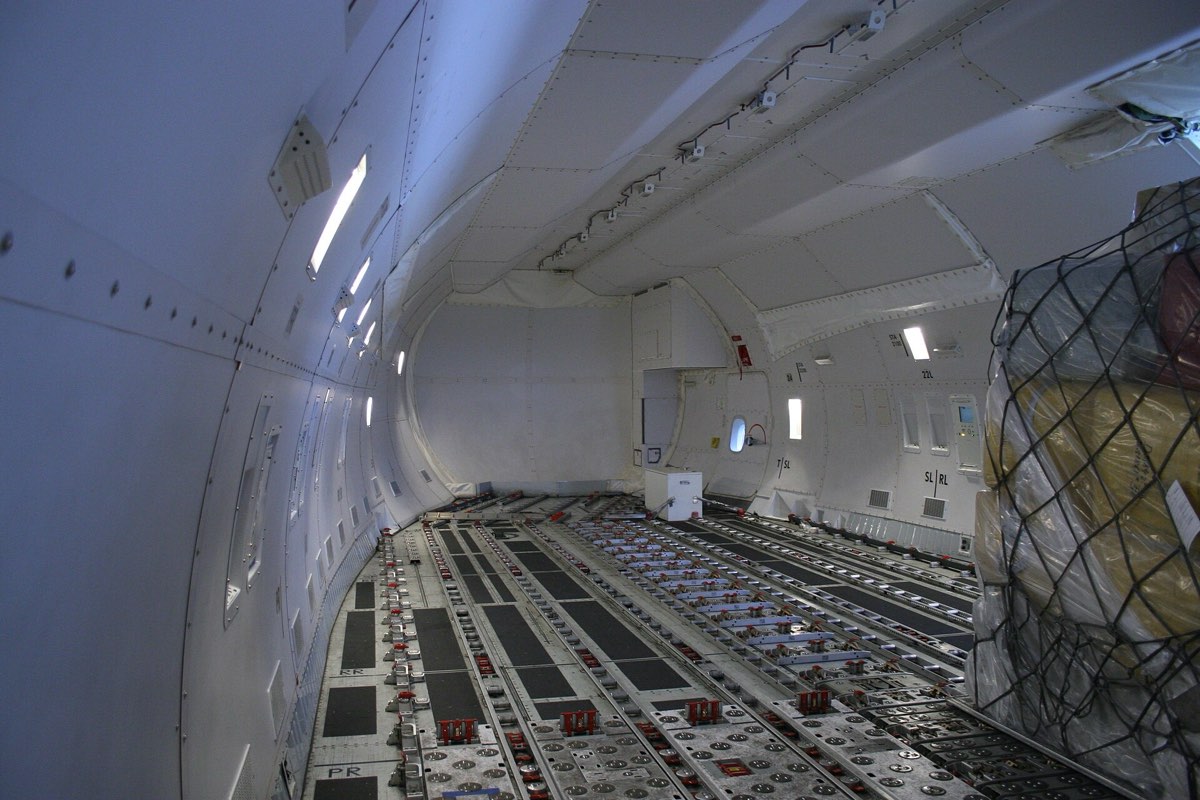

The product has never been classified. The order is signed, the goods are ready, and the lithium batteries travel with the aircraft.
Ten services, each managed by our teams.
Applicable regime, technical specifications, destination and end user.
We tell you which authorisation to request, from which authority and through which portal. You apply in your own name; we include it in the customs declaration.
Import and export declarations, AEO status and approval from French Customs and Excise.
Transit, customs warehousing, temporary admission, processing and ATA carnets.
Lithium batteries, energetic materials, IMDG, IATA DGR and ADR.
Temporary export, on-site delivery, return without modification and discharge of the procedure.
Plus dedicated, sealed and tracked road transport.
A rapid feasibility assessment, a local agent and verified destination authorisations.
Based on declared value, with war and strikes cover depending on the destination. Assessed for each shipment.
Documents and tracking in one place, with one person following your shipment.
Five approvals determine whether a shipment can depart, each with its own responsible body. Tick those already secured for your next shipment.
This checklist counts your answers; it does not assess your shipment. That is our job.
Five approvals still need to be secured. Now is a good time to discuss them.
Talk to an expertA digital freight forwarder backed by a French transport and logistics group. For sensitive shipments, that means customs declarations handled by our own teams and agents selected for each shipment.


A product, component, software or technology for civilian use that can also have a military application. Its export outside the European Union is subject to authorisation. Classification cannot be read from the customs code: it depends on the technical specifications.
It depends on the classification, destination and end user. The same equipment may be shipped freely to one country and require authorisation for another. Authorisation may also be required without a sale: a sample, loan, trade show or return after repair. That is why we assess the shipment before any booking.
No, but we can advise you through the process. The licence is issued to the exporter, linked to its EORI, and is not transferable: no one can apply for it in your place. We explain which authorisation you need, which authority issues it and which portal to use (in France, EGIDE for dual-use items and SIGALE for defence equipment). We then include the authorisation in the export customs declaration. The decision to export and knowledge of the product remain your responsibility.
No, and no one can take that responsibility for you: US regulations follow the component, even when integrated into a product made elsewhere, and bind the exporter. We ensure that the documents you provide accompany the shipment and that the customs declaration is consistent with them.
Two separate regimes, two authorities and two portals: dual-use items fall under the European framework, while military equipment is subject to a stricter national regime in France, where authorisation is required very early in the commercial process.
They are Class 9 dangerous goods. When shipped with or inside the aircraft (UN 3481), packaging and marking requirements apply. When shipped separately (UN 3480), they are restricted to cargo aircraft and a reduced state of charge. Approved packaging, marking and declarations are checked before departure, on both outbound and return journeys.
A temporary procedure (ATA carnet or temporary admission) so the equipment can return without duties, a precise inventory to prove it returns unchanged, and an export authorisation if the equipment is controlled: the ATA carnet does not replace it. The transport plan is built around the event date, including the return journey.
Not automatically. The goods, value and destination determine cover, and carrier liability is capped per kilogram. We assess ad valorem insurance alongside transport, adding war and strikes cover whenever the destination requires it: nothing departs until cover is confirmed.
We assess your shipment and tell you what is missing before transport is booked.
Talk to an expert