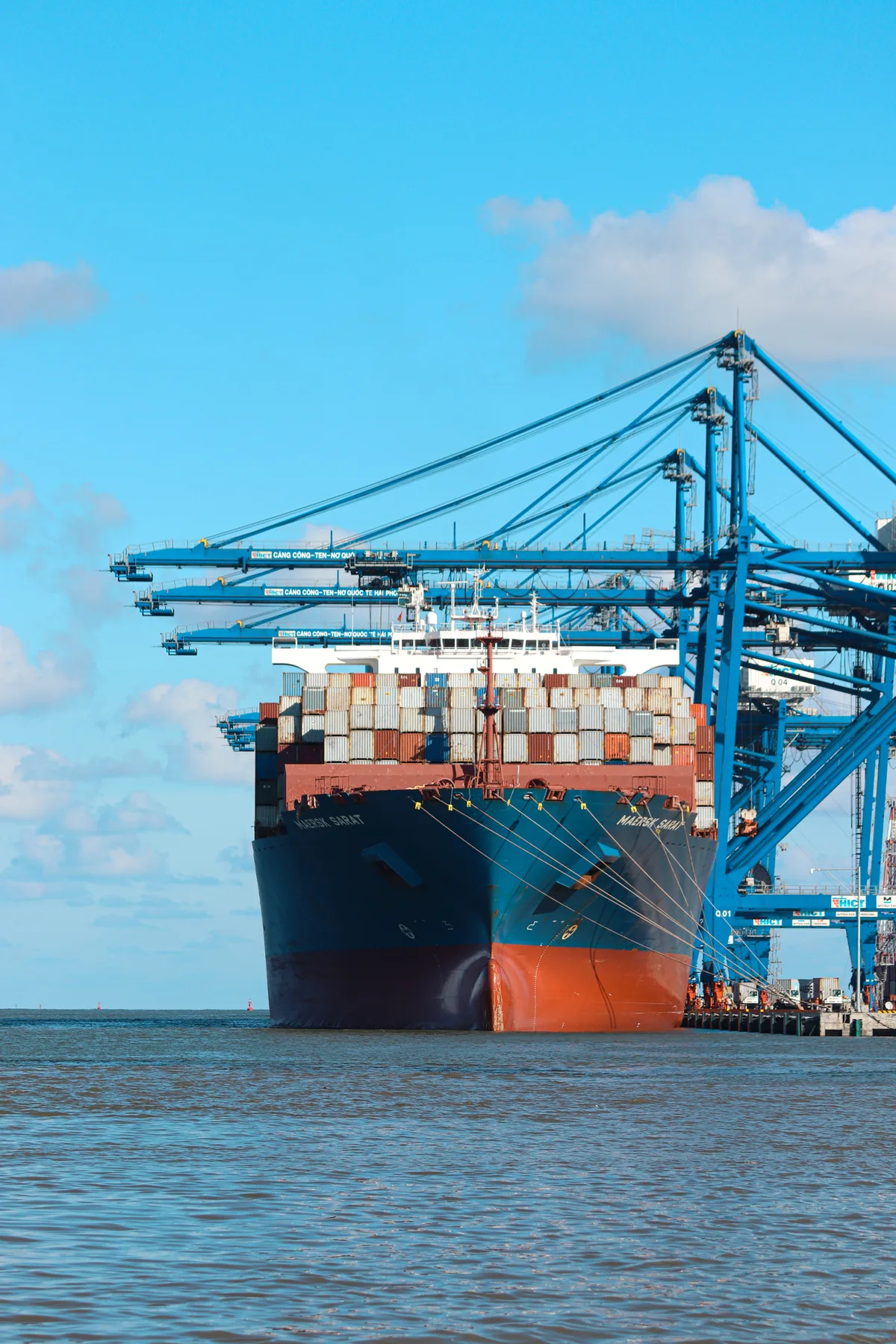


The impact of freight transport on global warming is indisputable. According to the OECD, the sector emits nearly 7% of global CO2 emissions, the equivalent of a country like India. However, in return, the transport sector is increasingly affected by the consequences of this warming. This reciprocity thus illustrates the “double materiality” of climate change. And the current crisis on the Panama Canal is an edifying example. Therefore, we are facing two levers to fight against global warming: adapting to life on a planet where it is hotter on the one hand and the mitigation of climate change on the other hand.
Sustainable adaptation to extreme weather events
Lowering the water level on waterways such as the Rhine in 2022, crossing blocked due to fires in the Dardanelles Strait at the end of August 2023... the episodes to which we must adapt in a more or less sustainable way are multiplying. What does that mean for shippers? Traffic is more limited, or ships need to be lightened: it is now necessary to anticipate the new risks that weigh on supply chains.
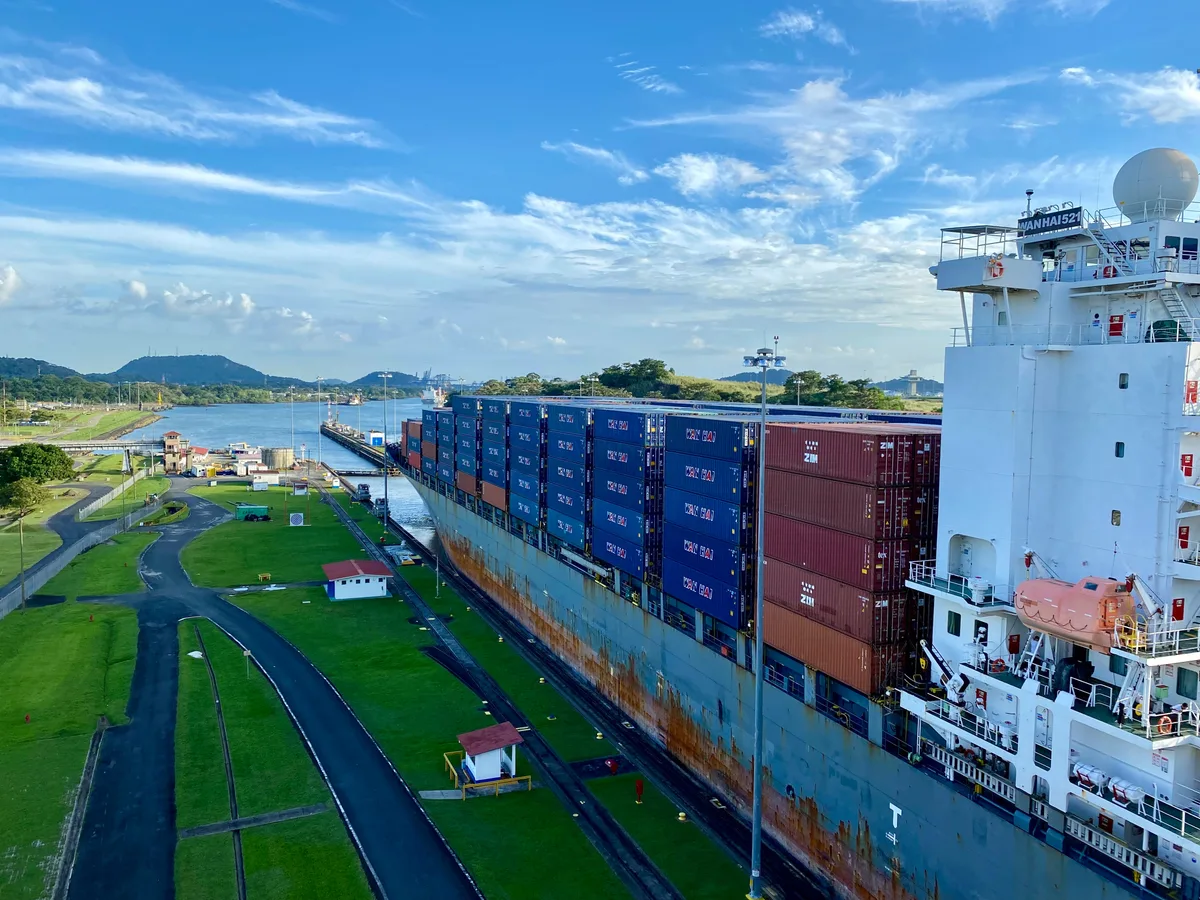
The new situation introduced by the situation in Panama is that this adaptation is no longer seasonal. In fact, the Panama Canal Authority (ACP) has announced the limitation of daily traffic on the canal for a period of one year to 32 vessels per day, against the usual 40. The impact is immense, as nearly 6% of international trade passes through this channel. For the time being, these restrictions mostly affect American shippers, for whom nearly 40% of containerized cargo passes through Panama. The example is no less edifying: this announcement confirms the need for a lasting change by importers and exporters in the management of their transport.
In particular, supply chains are forced to strengthen their resilience. This new pressing imperative invites us to question traditional management models such as just-in-time flow, zero inventory or zero deadlines.
The need to adapt is essential in order to deal with this disruption. However, the use of “maladaptation” strategies should be avoided, which could lead to harmful and undesirable consequences for climate change mitigation or social justice.
The need to mitigate environmental risk by limiting emissions from the sector
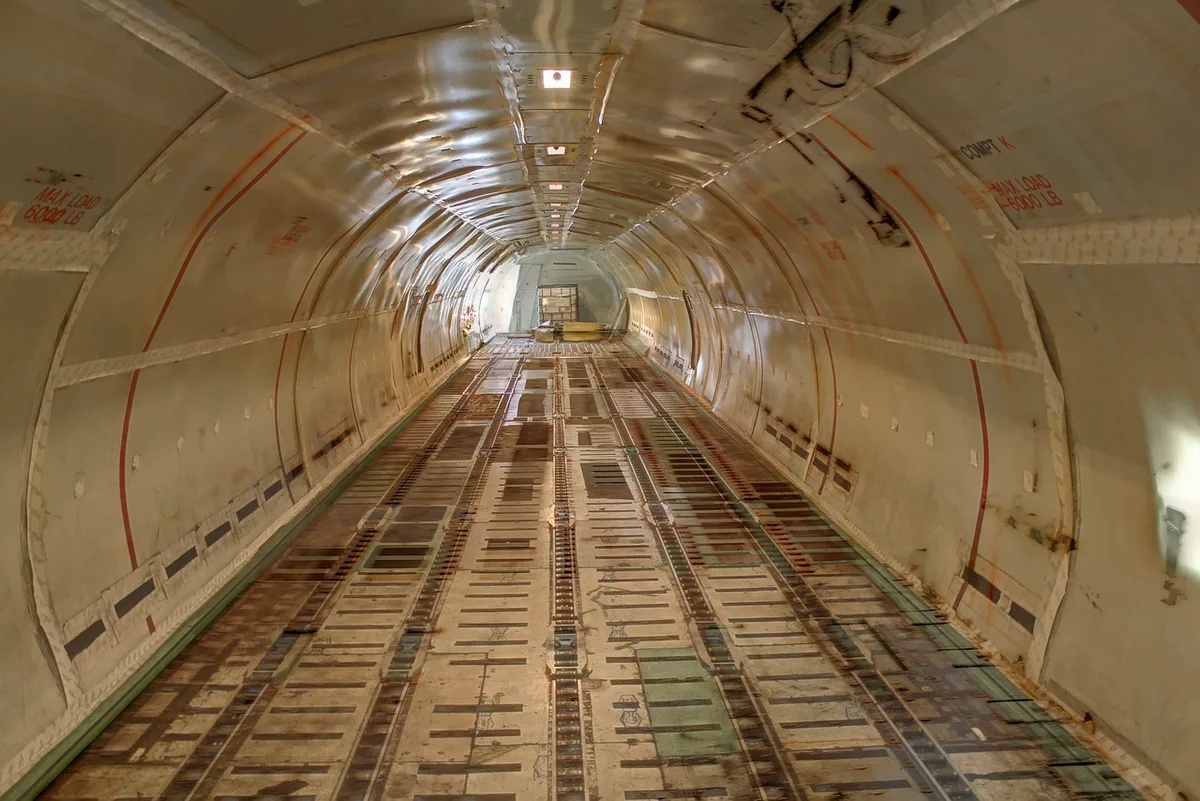
If the drought continues, there are concerns that shipping companies will more regularly opt for longer and more emissive trade routes, such as bypassing the South American continent, thus doubling the distance to travel. On the business side, they could seek to protect themselves against the risk of blockage by making greater use of air freight, which emits 50 times more CO2 than maritime transport.
The example of Panama is a new warning that calls on transport companies to reduce their climate footprint, in order to preserve their own business. The objective set by the Paris agreements is a reduction of 64% by 2050. Several levers are available, starting with the sobriety of flows or distances, the modal shift towards massified and slower modes of transport or the use of alternative fuels.
The underlying issue of resource sharing and social justice
The Panama Canal crisis vividly highlights the local repercussions of climate change and the question of resource distribution. The announcement of traffic restrictions was triggered by the exceptional drought in Panama. However, it is not the sea water level that worries, but that of the fresh waters of Panama's lakes. Via a system of locks, they allow ships to rise 26 meters above sea level. Each time a ship passes, 200 million liters of fresh water are thus dumped into the oceans. This situation raises the question of the distribution of resources around this basin, which supplies drinking water to half of the country's 4.2 million inhabitants. The other consequence of limiting traffic on the canal is economic: the canal is the country's main source of tax revenue. These losses could amount to 200 or 300 million dollars.
Finally, the current crisis is materializing the cause-and-effect relationships of climate change in the same territory and in the same sector. Continuously increasing emissions from the transport sector are amplifying the global greenhouse effect, thus intensifying the frequency and violence of extreme weather events that in turn profoundly affect transport operations.
This crisis strongly calls on shippers to review their transport practices, by strengthening the resilience of their supply chains and by limiting their climate footprint through sobriety, modal shift and the adoption of alternative fuels.
Download the OVRSEA white paper and discover the challenges and levers of action to put in place for your transport.