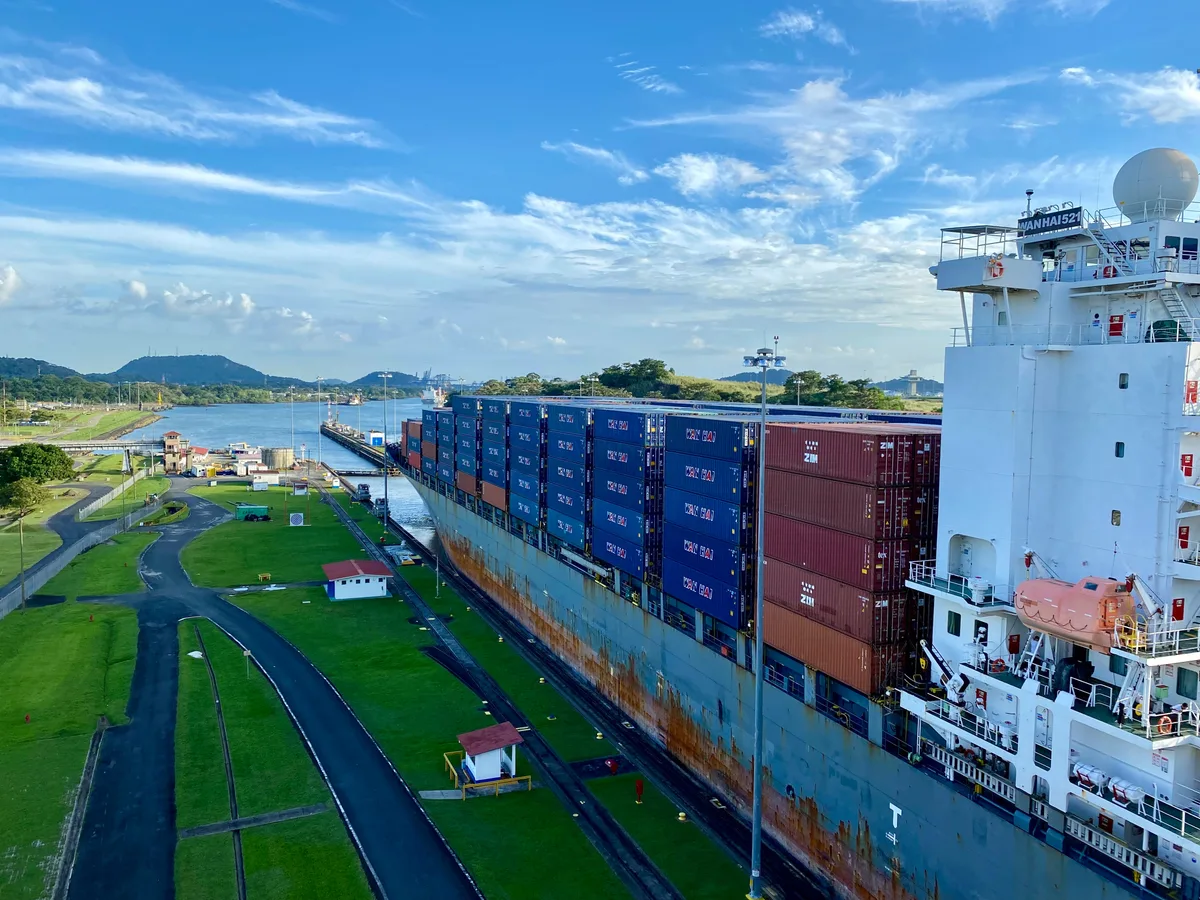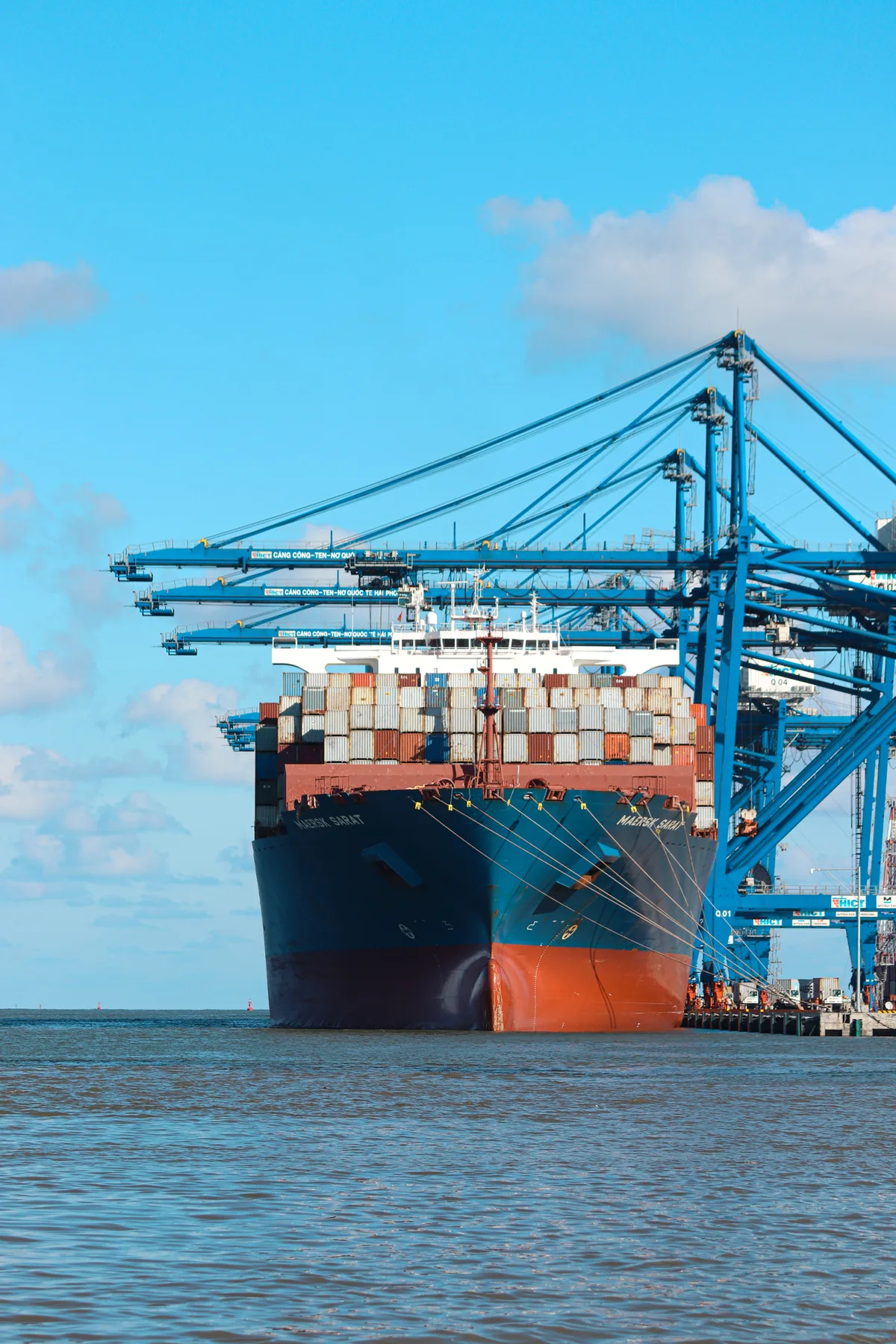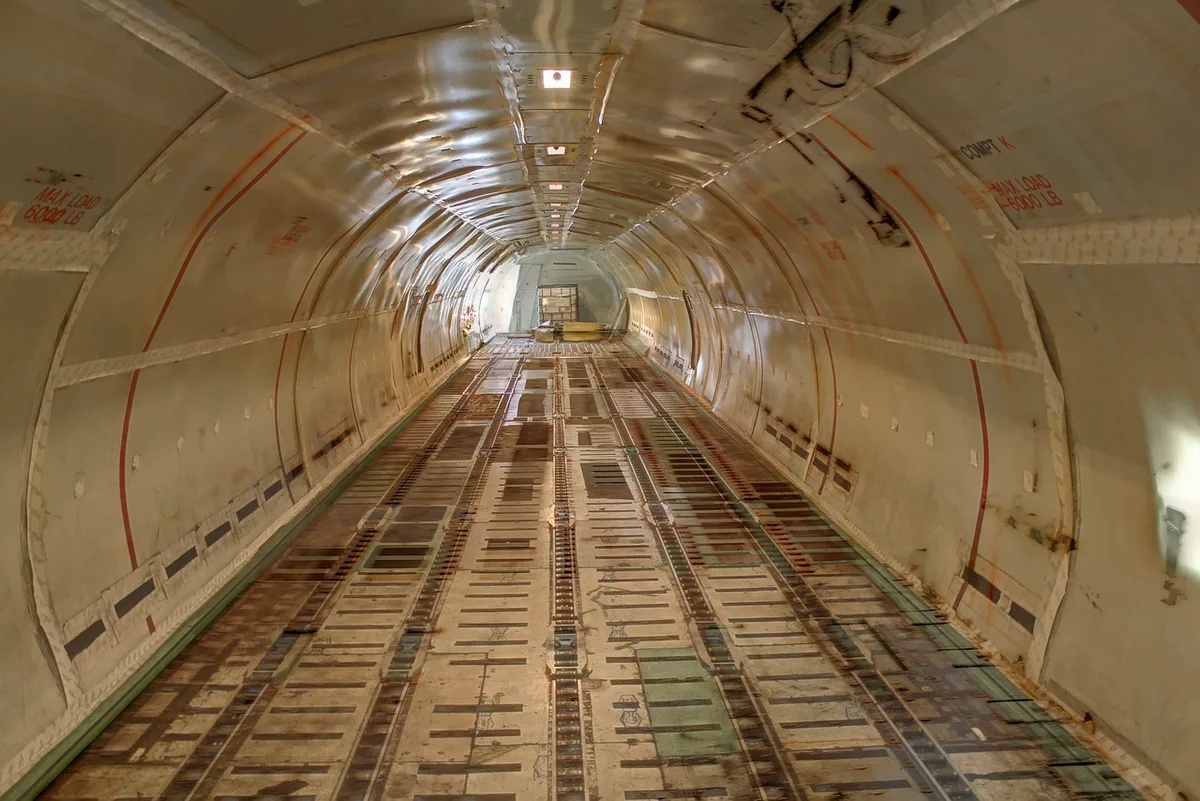


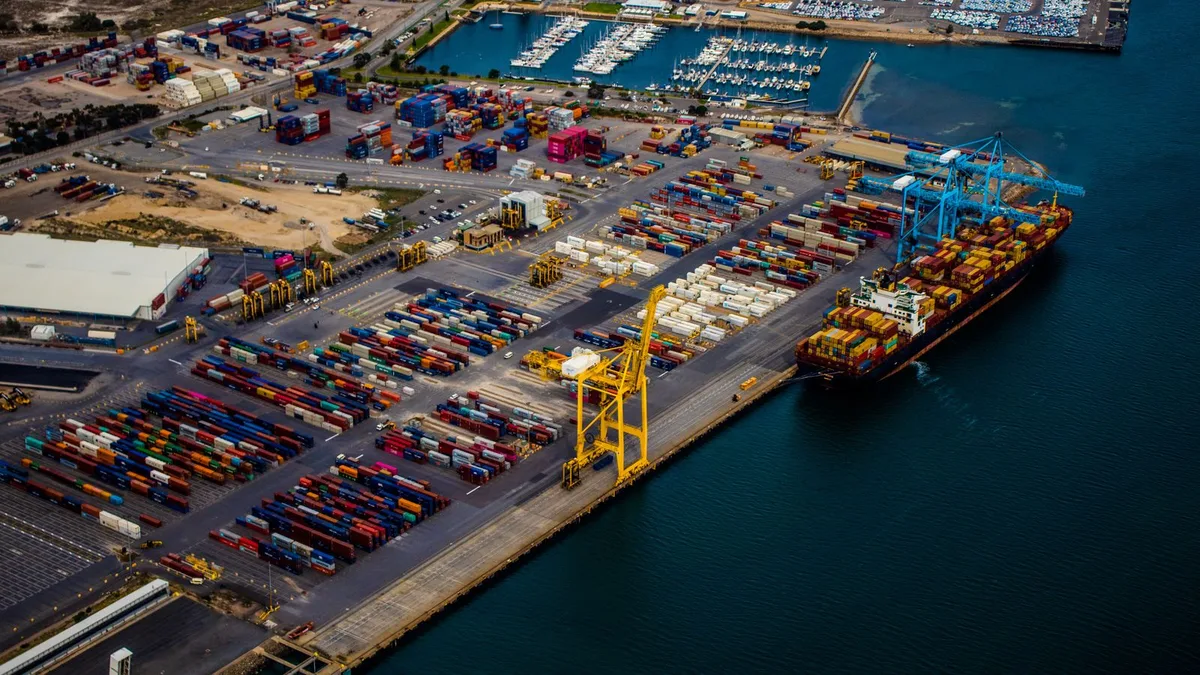
Manufacturers, warehouses, and road haulers in major Chinese cities are struggling with strict COVID closures. This situation has caused severe congestion in shipping logistics and freight transport between the United States and Asia, which has affected carriers and businesses around the world.
China's zero COVID policy is disrupting supply chains and shipping around the world
In March 2022, congestion in the main Chinese ports of Shenzhen and Hong Kong reached its highest level since October 2021. Around 174 ships were anchored or loading at these hubs, hinting at significant delays in freight shipments to the United States this summer.
While the current hiatus in China has helped alleviate cargo at congested American ports, the way is not yet clear. It is highly likely that trans-Pacific freight shipping programs will deteriorate before normalizing, affecting carriers and shippers until the end of the year.
There is growing concern that current events could cause the biggest downstream disruptions in global supply chains since the start of the pandemic.
The recent situation in American ports
Two of the busiest American ports, Long Beach and Los Angeles, recently reached and exceeded full transport capacity. Congestion due to the grounding of ships and the lack of manpower to unload and pack them have increased port and handling costs, causing problems for shippers and carriers.
In these ports, many ships remained inactive for two weeks waiting to unload their cargo, about the same amount of time it takes to return to China. And if these ships were delayed again in China, carriers missed two potential trips, leading to a massive loss of revenue.
This is not an exceptional case due to the prolonged cessation of production and transport in China. Cargoes diverted from the West Coast to less congested ports on the East Coast as a short-term solution have caused delays and problems on transatlantic trade routes.
Even worse, the “trickle down” effect makes it more difficult for shippers to predict delays. The consequences of the cessation of activity in China reverberate abroad in the weeks or months that follow.
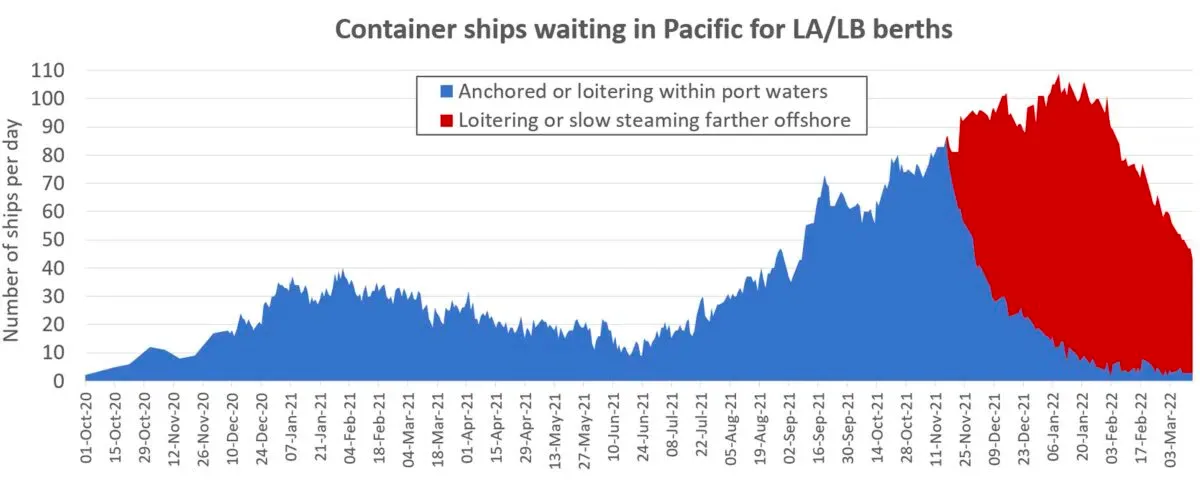
Blockades in China, especially in Shanghai, have temporarily prevented more cargo ships from piling up in American ports. In March 2022, this significantly improved congestion, especially in the ports of San Pedro:
- The number of vessels idling has halved, falling below 50%.
- The average wait time at terminals in Los Angeles increased from 14 days to 3.1 days, and some reported little or no delay.
Despite the recent decrease in congestion, many fear a radical rebound as soon as Shanghai and other major Chinese cities reopen, when tons of accumulated goods are in motion again.
San Pedro Port Congestion Trends
The consequences for shippers and businesses
Shanghai is the main manufacturing center of China and the largest container port in the world. Prolonged closures and strict COVID restrictions have quadrupled shipping times between China and major American and European ports, since the end of March 2022.
As a result, Chinese and global shippers are suffering the palpable consequences:
- Container handling volumes in Shanghai fell by around 25% in April 2022, reaching 100,000 TEUs.
- Domestic fuel demand in China fell by 20%, the biggest drop since the start of the pandemic - additional pressure on the economy.
- In May 2022, 20% of global container ships are stuck outside congested ports, including a quarter outside Chinese ports.
- 2.5-fold increase in freight costs along the trans-Pacific route; shipping a single container from China to the United States now costs over $15,000, up from $5.9,000 last year.
- The diversion of cargo from the West Coast to the East Coast and the increase in transatlantic leisure flights are causing the demand for airspace to skyrocket.
What does this mean for the future and what can shippers expect?
In the immediate future, freight forwarders and carriers are implementing rapid solutions: strengthening land transport, diverting goods to less affected ports on the East Coast and the Gulf. The problem here? Like pushing port operations to operate 24/7, these are short-term measures for a systemic problem.
As Shanghai prepares to reopen and lift restrictions starting on June 1, shippers need to prepare for another challenge. The Load Star forecasts that “the sudden improvement in inventory levels in China, combined with a global slowdown in consumer demand, could have a negative impact on import volumes.”
To minimize long-term crippling disruptions, the United States needs to optimize the supply chain process and port operations infrastructure. Transport experts proposed more efficient handling of “peel-off” cargoes, automating customs clearance, and increasing the capacity of West Coast carriers with geographically advantageous ports.
sourcing:
https://www.freightos.com/freight-resources/port-of-long-beach-congestion-delays-news/
https://theloadstar.com/us-west-coast-port-congestion-starts-to-ease-as-imports-divert-to-the-east/
https://www.freightwaves.com/news/is-this-the-calm-before-california-ports-next-cargo-storm
https://fortune.com/2022/04/23/china-lockdowns-inflation-supply-chain-nightmare-shanghai/
https://ajot.com/news/todays-supply-chain-bottlenecks-to-yield-three-big-long-term-solutions